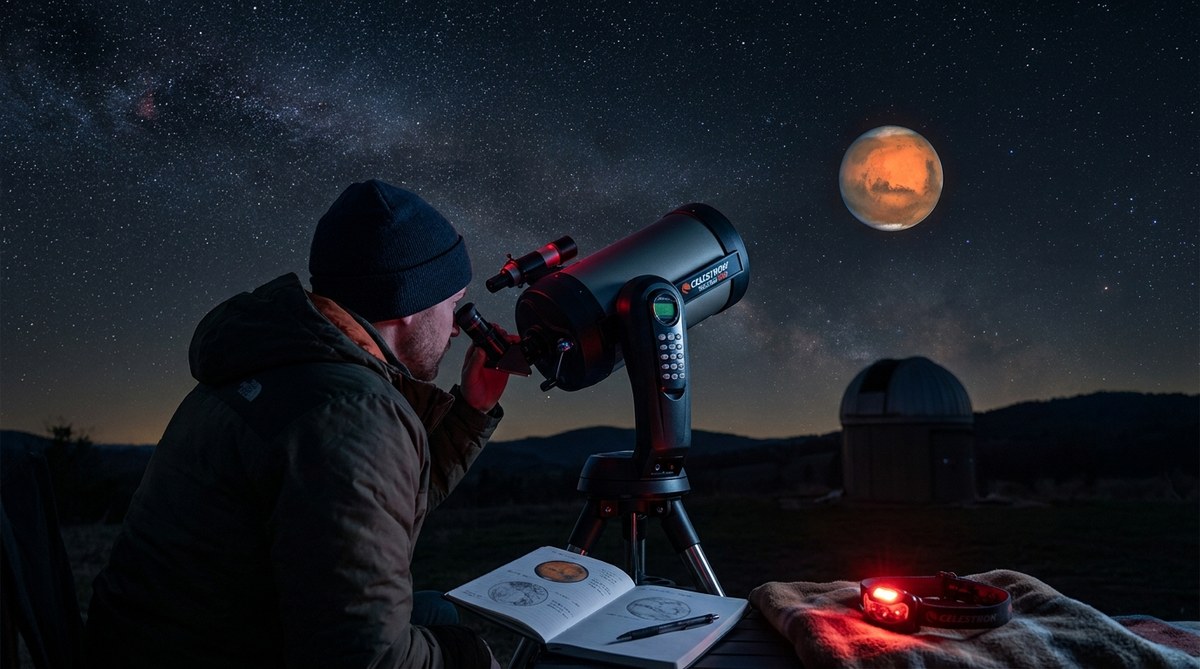
Getting a glimpse of Mars through your telescope offers a direct connection to one of the most fascinating planets in our solar system. With recent advancements and ongoing missions, amateur astronomers now have more opportunities than ever to understand and uncover the secrets of the Red Planet. Whether you are a seasoned stargazer or just starting out, discovering what makes Mars intriguing can deepen your appreciation for the cosmos and fuel your curiosity for planetary science.
Discovering the mysteries of Mars for amateur astronomers involves understanding recent discoveries, using proper equipment, and applying effective observation techniques. With patience and practice, you can witness Mars’ changing surface features and contribute to ongoing planetary science efforts from your backyard.
Understanding Mars and Its Recent Mysteries
Mars has long captured human imagination with its rugged landscape, polar ice caps, and the potential for past life. In recent years, scientific missions have uncovered surprising phenomena that excite amateur astronomers. From transient dust storms to mysterious plumes and surface changes, these discoveries spark curiosity and invite you to participate in planetary observation.
The planet’s thin atmosphere and dynamic surface make it a challenging but rewarding target. As spacecraft like NASA’s Mars Reconnaissance Orbiter and rovers such as Perseverance send back data, amateur astronomers can stay informed about the latest findings. Understanding these recent mysteries can help focus your observations and deepen your engagement with the Red Planet.
Preparing to Observe Mars Effectively
To uncover the secrets of Mars, you need the right equipment and a good observing plan. Here are essential steps to prepare:
-
Choose the right telescope
A telescope with at least a 4-inch aperture provides enough resolution to see surface features. Refractors and reflectors are both suitable, but ensure your optics are clean and well-collimated. -
Select optimal viewing times
Mars is best observed when it is closest to Earth, which happens during its opposition. Use online tools or astronomy apps to find upcoming opposition dates and plan your sessions accordingly. -
Use good filters
Color filters like red, orange, or blue can enhance surface details by increasing contrast. These filters help distinguish features such as polar ice caps and surface markings. -
Record your observations
Keep a detailed log of what you see. Sketch the surface features, note the date and time, and record atmospheric conditions. This data might contribute to citizen science projects or future research.
Techniques for Observing and Discovering Martian Mysteries
Engaging with Mars requires patience and practice. Here are techniques to improve your observations:
-
Use high magnification
A magnification of 150x to 250x often reveals surface details. Ensure your telescope’s mount is stable to avoid shaky images. -
Apply averted vision
Look slightly away from your target to see faint surface features more clearly. -
Compare with reference charts
Use detailed Mars maps to identify features such as polar caps, dark markings, and surface streaks. -
Monitor changes over time
Observe Mars across multiple nights and during different apparitions. Surface features may shift or become more prominent with seasons or atmospheric conditions.
Recognizing common mistakes
| Technique | Mistake | Result |
|---|---|---|
| Using low magnification | Missing surface details | Less clarity in surface features |
| Ignoring atmospheric conditions | Blurry or unstable images | Misinterpretations of features |
| Not recording observations | Losing valuable data | Missing out on tracking changes |
“Patience is key when observing Mars. Its surface can change from night to night, and subtle features often require careful attention and persistence.” — Dr. Lisa Grant, planetary astronomer
Recent Discoveries That You Can Witness
Amateur astronomers have recently reported observing phenomena that previously seemed elusive. For example, transient dust clouds and fleeting surface streaks have been documented during Mars’ dust storm seasons. Some observers have spotted unusual bright patches that may relate to frost or frost sublimation.
A particularly exciting discovery involved observing a plume reaching high above the surface, which was visible from Earth during a specific Mars opposition. These features often relate to atmospheric activity or surface changes and can be observed with good equipment.
By staying updated on Mars’ current conditions through sites like Thrust Observatory, you can time your observing sessions to coincide with these dynamic events. Participating in online communities or citizen science projects can also help you share your observations and learn from others.
How You Can Contribute To Mars Discoveries
Your observations, even from a backyard telescope, can support scientific understanding. Here are ways to get involved:
-
Join citizen science platforms
Websites like the Planetary Data System or Zooniverse host projects where your observations help track surface changes. -
Share your sketches and images
Post your work on astronomy forums or social media. This can inspire others and provide data for researchers. -
Participate in coordinated observation campaigns
During Mars missions or known active periods, coordinating with others can maximize coverage and data collection.
Practical Steps for Your Next Martian Observation
To maximize your chances of discovering something new, follow these simple steps:
- Check upcoming Mars opposition dates and plan your sessions accordingly.
- Prepare your equipment and filters ahead of time.
- Choose a clear, stable night with minimal atmospheric disturbance.
- Use detailed maps or apps to identify features in real-time.
- Record and sketch features as you see them.
- Compare your observations over consecutive nights to spot changes.
Common mistakes to avoid
- Observing during turbulent atmospheric conditions
- Rushing through sessions without detailed recording
- Focusing only on bright features, missing subtle surface details
The Joy of Participating in Martian Mysteries
Discovering what lies on Mars from your backyard can be a deeply rewarding experience. It connects you directly to ongoing scientific endeavors and enhances your understanding of planetary processes. With consistent effort and curiosity, you might even contribute to the global effort to unlock Mars’ secrets.
Remember, patience and practice are your best tools. Keep your equipment well-maintained, stay informed about current Mars phenomena, and enjoy every opportunity to peek into the mysteries of the Red Planet.
Unearthing the Secrets of Mars for the Amateur Astronomer
Your journey into discovering Mars’ mysteries is a blend of preparation, observation, and curiosity. Each session can reveal new surface details and atmospheric phenomena. By staying informed and attentive, you can witness the dynamic nature of Mars firsthand. Keep exploring and sharing your findings; the universe always has more to reveal.