The moon is beautiful, but it can also be your worst enemy when you are trying to see the stars. A bright moon washes out the Milky Way, hides galaxies, and turns a promising night into a frustrating one. If you have ever aimed a telescope at the Andromeda Galaxy only to see a pale gray smear because of moonlight, you know the struggle. The good news is that you can work with the lunar cycle instead of against it. Knowing the best moon phase for stargazing is the single most effective way to improve your night sky session without spending a dime on new gear.
The best moon phase for stargazing is the new moon, when the moon is not visible and the sky is at its darkest. During the days right before and after a new moon, the sky remains dark enough to see faint deep-sky objects, star clusters, and the Milky Way. Plan your sessions around these windows to avoid moonlight washing out the view.
Why Moonlight Drowns the Stars
Light pollution is not just from city lights. The moon is a natural light polluter that can be just as damaging to your night vision as a streetlamp. When the moon is full, its reflected sunlight is about 250,000 times brighter than the faintest star you can see with your eyes. That brightness scatters in our atmosphere and reduces contrast, making dim objects disappear.
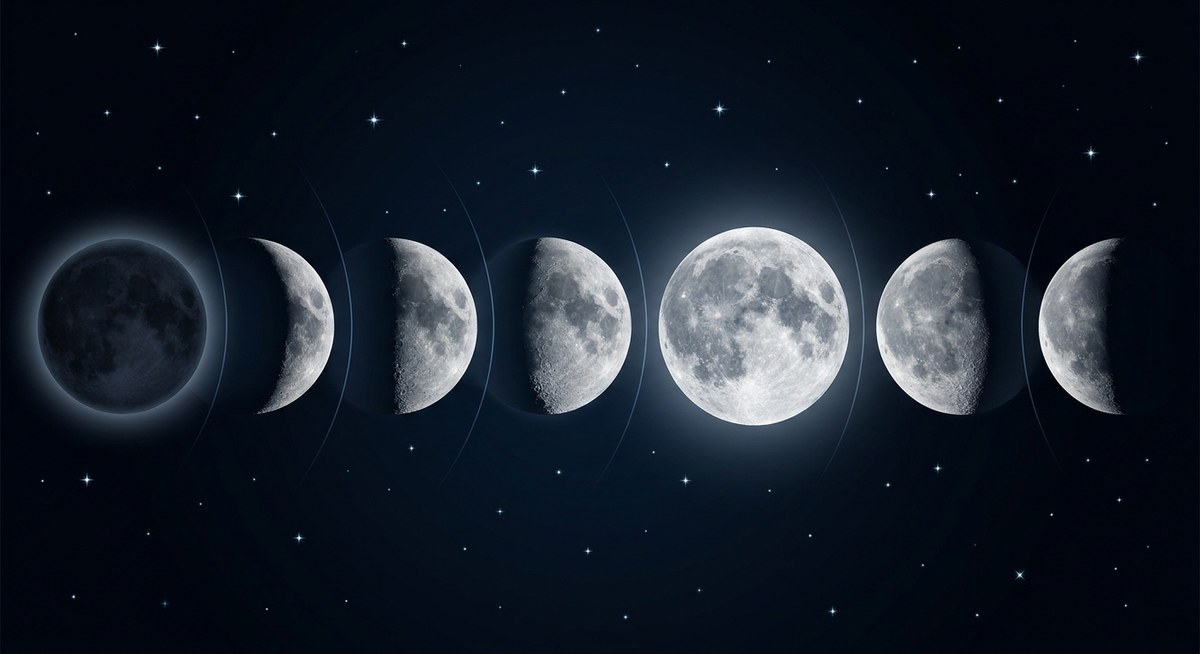
But not all moon phases are equal. The moon goes through eight phases over about 29.5 days. Only a few of those phases let you see deep-sky objects clearly. Understanding which ones work and which ones do not will transform your stargazing success.
The Clear Winner: New Moon
The new moon is the absolute best time to look up. During the new moon, the moon sits roughly between Earth and the sun. The side facing us is completely dark. The moon rises and sets with the sun, so it is not in the night sky at all. That gives you a full night of pure darkness from dusk until dawn.
If you are hunting for galaxies, nebulae, or star clusters, aim for the night of the new moon. The Milky Way will be a bright river across the sky. Faint objects like the Andromeda Galaxy or the Orion Nebula will pop into view with even a modest telescope. Many amateur astronomers treat the new moon weekend like a holiday. They clear their calendars and head to dark sites.
But do not worry if you miss the exact night. The day before and the day after the new moon are also excellent. The moon is a thin crescent that sets early or rises late, leaving most of the night dark.
Other Good Phases for Stargazing
You do not have to wait a whole month for one perfect night. Several other phases still offer good viewing if you plan around the moon’s schedule.
Waxing Crescent (day 3 to day 5 after new moon): The moon appears as a thin sliver in the western sky just after sunset. It sets early, usually by 9 or 10 PM. This leaves the rest of the night dark. This is a fantastic time for beginners because you get a beautiful sunset view of the moon and then a dark sky later.
Waning Crescent (day 24 to day 28 of the cycle): This is the opposite. The moon is a thin sliver in the eastern sky just before sunrise. The entire first half of the night is moon-free. Perfect for an evening session if you have to wake up early for work.
First Quarter and Third Quarter: The moon is half illuminated. During first quarter, the moon sets around midnight. You get a few hours of dark sky after midnight. During third quarter, the moon rises around midnight, so the early evening is dark. These phases require staying up late or waking up early, but they are very usable.
The best moon phase for stargazing is always when the moon is below the horizon during your planned viewing hours. That can happen even near the full moon if you are willing to observe when the moon is down. But for most people, the new moon window is the most convenient.
The Phases to Avoid
A full moon is the worst time for deep-sky observation. The sky is bright all night. You can still look at the moon itself, of course, and bright planets like Jupiter and Venus. But the faint stuff is gone. Many beginners give up on stargazing after a full moon session because they see so little. Do not let that discourage you.
The days around the full moon (from about two days before to two days after) are also mediocre. The sky remains bright, and the moon dominates the night. Save those nights for lunar observation, planetary viewing, or simply enjoying the moonlight.
Here is a table that shows how each phase affects your ability to see different types of objects.
| Moon Phase | Best For | Worst For | Dark Sky Window |
|---|---|---|---|
| New Moon | All deep-sky objects | Nothing | All night |
| Waxing Crescent (3-5 days) | Milky Way, galaxies after moon sets | Very early evening | After moon sets (8-10 PM) |
| First Quarter | Planets, moon itself | Faint nebulae | After midnight |
| Waxing Gibbous (near full) | Moon, planets | Anything faint | Very short, if any |
| Full Moon | Moon, bright planets | Everything else | None |
| Waning Gibbous (near full) | Moon, planets | Anything faint | Very short, if any |
| Third Quarter | Planets, moon itself | Faint nebulae | Before midnight |
| Waning Crescent (24-28 days) | Deep-sky objects before moonrise | Early morning | Evening until moonrise |
How to Plan Your Stargazing Session Around the Moon
You can use a simple process to pick the right night. Follow these steps each time you plan a session.
- Check the moon phase: Look up the current moon phase online or in an app. You want to find the nearest new moon date. Mark it on your calendar. If you are planning a weekend trip, choose the weekend closest to the new moon.
- Check moonrise and moonset times: Even during a crescent moon, you need to know when the moon will be in the sky. Use a tool like timeanddate.com or a stargazing app. Aim for a time when the moon is below the horizon for at least two hours.
- Align with your preferred viewing time: If you like to observe right after dinner, look for waning crescent or third quarter phases. If you are a night owl, first quarter works well. If you want all night, new moon is your friend.
- Consider the season: In summer, the Milky Way is high in the sky, so you want the darkest nights. Winter nights are longer and often have clearer skies, but the Milky Way is lower. Plan accordingly.
- Pick your targets: Decide what you want to see. If you are going for the Andromeda Galaxy or the Orion Nebula, nothing beats a new moon. If you are after planets, you can observe them even during a full moon. The best moon phase for stargazing depends partly on what you want to see.
For a more detailed guide on getting started, check out how to start your night sky observation journey. That article walks you through the basics of planning a successful session.
Expert Advice: Listen to the Moon
“The moon is the biggest variable in amateur astronomy. I tell my students: if you want to see the faint stuff, you must learn to read the lunar calendar. New moon weekends are gold. Everything else is a compromise.”
— Dr. Elena Voss, astronomy educator at the Adler Planetarium
Tips for Making the Most of Moonlit Nights
Sometimes you cannot avoid the moon. Maybe you only have one night free, and it happens to be near full. Here are some tips to salvage the session.
- Use a moon filter on your telescope if you want to observe the moon itself. It cuts glare.
- Stick to bright objects: planets, double stars, and star clusters like the Pleiades.
- Observe from a very dark site, far from city lights. The darker your starting sky, the more you can overcome moonlight.
- Consider using a narrowband filter for deep-sky objects. These filters block moonlight and city light while passing specific wavelengths from nebulae.
- Focus on lunar observing. A full moon through a telescope is stunning. Use the time to learn the moon’s surface features.
If you are new to telescope selection, read how to choose the perfect beginner telescope for your first night sky adventure. A good telescope can still perform well under a bright moon if you match it to the right targets.
Common Mistakes New Stargazers Make with Moon Phases
Many beginners make errors that ruin their experience. Here is a quick list of what to avoid.
- Assuming any clear night is good. A clear night with a full moon is disappointing for deep-sky.
- Not checking moonrise times. You might set up at 9 PM only to have the moon rise at 10 PM and ruin your view.
- Forgetting to account for daylight saving time. Moon phase apps usually use your local time, but always double-check.
- Overlooking the days before and after new moon. Those are almost as good and often more convenient.
- Giving up after one bad moonlit session. The sky changes every night. Come back during the next new moon.
For a broader look at what to watch for, see top 10 celestial phenomena every amateur astronomer should know. That list includes meteor showers and eclipses that are often best during specific moon phases.
A Balanced Approach: Observing the Moon and the Stars
You do not have to choose between the moon and the stars. Many amateur astronomers enjoy a mixed session. Start the evening with the moon if it is up. Look at craters, mountains, and seas. Then, as the moon sets, switch to deep-sky targets. The best moon phase for stargazing can actually be a waxing crescent that sets by 10 PM, giving you time for both.
If you want to identify constellations while the moon is still up, learn 6 easy constellations to find tonight with just your eyes. The brighter stars in constellations are still visible even with some moonlight.
Tracking the Lunar Cycle Throughout the Year
In 2026, there are 12 new moons. Each offers a prime window for stargazing. The best months for dark sky observation are usually around the equinoxes (March and September) when nights are moderate and the Milky Way is well placed. But even in summer and winter, new moon weekends are magical.
Use a lunar calendar app on your phone. Set a reminder for three days before each new moon. That gives you time to plan a trip to a dark site or to prepare your gear.
If you plan to travel for a session, read choosing the perfect observatory site for clear night sky viewing. Location matters just as much as moon phase.
Pick Your Phase and Enjoy the Sky
The best moon phase for stargazing is the one that matches your schedule and your targets. For most people, that means the new moon and the few days around it. But there are always opportunities, even with a crescent or quarter moon. The key is to plan ahead and be flexible.
Next time you look up, check the moon first. If it is a thin crescent, you are in for a treat. If it is full, enjoy its beauty from a different perspective. And remember: the darkest nights are worth waiting for. Clear skies.