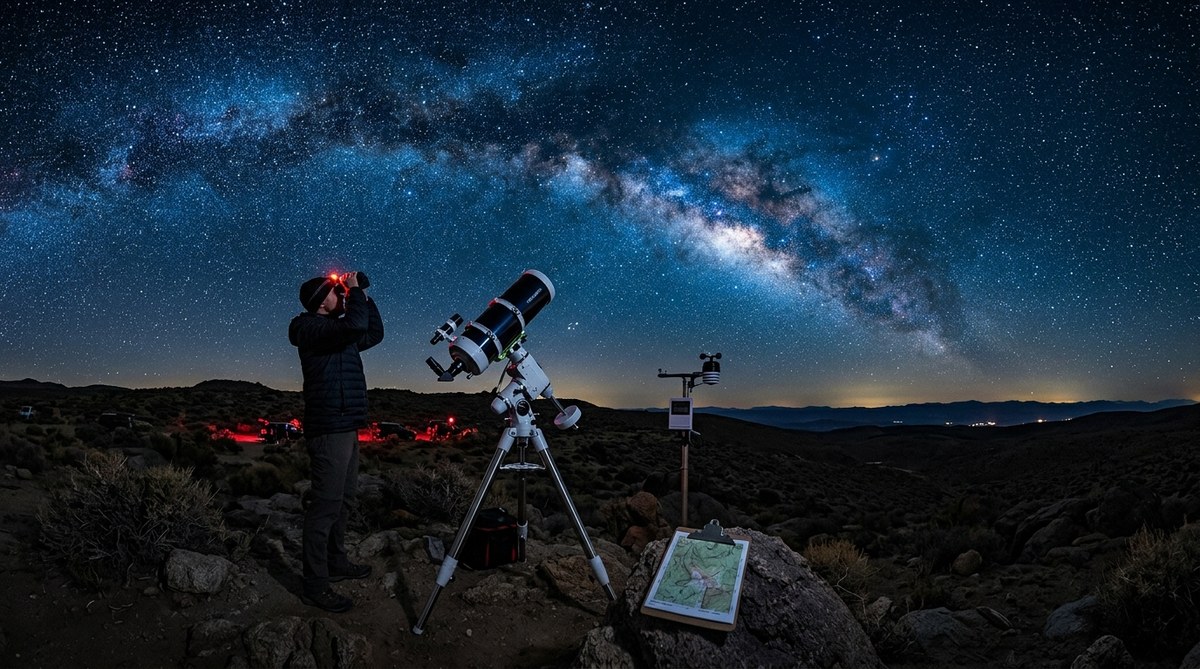
Finding the perfect spot for an observatory can transform your night sky viewing from good to breathtaking. Whether you are an amateur astronomer planning your own backyard setup or a hobbyist seeking the ideal location for a portable observatory, selecting the right site makes all the difference. Clear, dark skies with minimal interference create the ideal environment for observing planets, stars, and distant galaxies. But what exactly should you look for when choosing the best observatory site? Let’s walk through the key considerations to help you make an informed decision and get the most out of your night sky adventures.
Selecting the best observatory site involves evaluating light pollution, altitude, climate, accessibility, and safety. Prioritizing dark, high, and open locations ensures clearer skies and better viewing. Understand these factors to choose a spot that enhances your stargazing experience and allows you to witness the universe’s wonders at their best.
What makes a location ideal for observatory site selection
Choosing the right site for an observatory is not just about finding a dark patch of land. It involves balancing multiple factors that influence visibility, safety, and convenience. The goal is to find a location that minimizes atmospheric and light interference while providing easy access and stable conditions for your equipment.
Understanding light pollution and its impact
Light pollution is one of the most significant barriers to good stargazing. Excessive artificial light from urban areas washes out the faint light from celestial objects. The more light pollution, the harder it becomes to see stars, planets, and distant galaxies clearly.
In the field of astronomy, dark skies are highly valued. Areas designated as dark sky parks or reserves often have strict lighting regulations to preserve night visibility. To find a suitable site, look for locations far from city glow, ideally at least 50 miles away from urban centers. Light pollution maps, available through resources like the International Dark Sky Association, can help identify promising areas.
Why altitude matters
Higher elevations offer several advantages for observatories. As you ascend, the atmosphere becomes thinner, which reduces light scattering and atmospheric distortion. This often results in clearer, sharper images of celestial objects.
Popular high-altitude sites like Mauna Kea in Hawaii or the Atacama Desert in Chile are renowned for their exceptional viewing conditions. For hobbyists, even a modest increase in elevation can improve observations, especially when combined with dark skies.
Climate and weather conditions
Clear skies are essential. Before choosing a site, consider the local climate and typical weather patterns. Areas with low humidity and minimal cloud cover provide more nights suitable for stargazing. Regions with frequent cloud cover or high rainfall will limit your observation opportunities.
Checking historical weather data can reveal patterns of clear nights. Also, avoid locations prone to fog, haze, or high wind speeds, which can disturb your equipment and obscure views.
Accessibility and safety considerations
While remote sites often offer the best sky conditions, they can also pose logistical challenges. Accessibility is important, especially if you plan to set up equipment regularly. Look for sites reachable by a good road, with enough space for parking and setup.
Safety is equally crucial. Ensure the site is well-lit for emergencies, away from hazardous terrain, and not prone to wildlife disturbances. Being prepared and aware of local regulations will keep your stargazing experience enjoyable and safe.
How to identify the best observatory site step by step
Finding an ideal location can seem overwhelming, but breaking it down into manageable steps simplifies the process.
- Assess Light Pollution Levels
- Use online light pollution maps to locate dark areas.
- Visit potential sites during night hours to observe sky darkness firsthand.
- Evaluate Altitude and Climate
- Choose locations at higher elevations if possible.
- Review local weather statistics to confirm frequent clear nights.
- Check Accessibility and Regulations
- Confirm access via roads and parking.
- Research any permissions or restrictions for the area.
- Visit Multiple Locations
- Spend nights at different sites to compare sky quality.
- Note atmospheric conditions, safety, and convenience.
- Prioritize Based on Your Needs
- Balance darkness, altitude, and accessibility.
- Select the site that offers the best overall conditions for your specific interests.
Techniques for assessing potential sites and common mistakes
| Technique | What it helps you determine | Common mistakes to avoid |
|---|---|---|
| Light pollution map review | Identifies dark sky areas | Relying solely on maps without on-site verification |
| Night sky observation | Confirms sky darkness and clarity | Visiting during the day, missing light pollution effects |
| Weather data analysis | Ensures frequent clear nights | Ignoring local microclimates or seasonal variations |
| Field visits | Assesses accessibility, safety, and real conditions | Overlooking safety hazards or logistical challenges |
Expert advice: “Always visit your potential site at night before committing. Conditions can differ from day to day, and personal observation is the best way to ensure it meets your expectations.” — Dr. Jane Astronomer
Common pitfalls in site selection
- Choosing locations too close to urban areas, resulting in significant light pollution.
- Ignoring weather patterns, leading to a lot of cloudy nights.
- Overlooking accessibility, which can make setup and maintenance difficult.
- Neglecting safety considerations, including wildlife or terrain hazards.
- Not testing the site during different seasons to understand climate variations.
Practical tips for a successful site choice
- Use apps and online resources to narrow down options.
- Plan multiple visits to assess night sky conditions.
- Talk to local astronomers or astronomy clubs for insights.
- Consider future expansion or equipment upgrades.
- Always check local regulations and obtain necessary permissions.
Tying it all together for a perfect night sky experience
Choosing the best observatory site is about balancing the ideal sky conditions with practical considerations. Dark, high, and open locations provide the clearest views of the universe’s wonders. By thoroughly evaluating light pollution, altitude, weather, and safety, you can identify a spot that brings the cosmos into sharp focus.
Remember, patience is key. Take your time to research and visit multiple sites if needed. The effort you put into selecting the right location will pay off with nights filled with stunning sights and unforgettable moments under the stars.
Happy stargazing! Your perfect observatory site awaits, ready to unlock the universe’s secrets just beyond your doorstep.