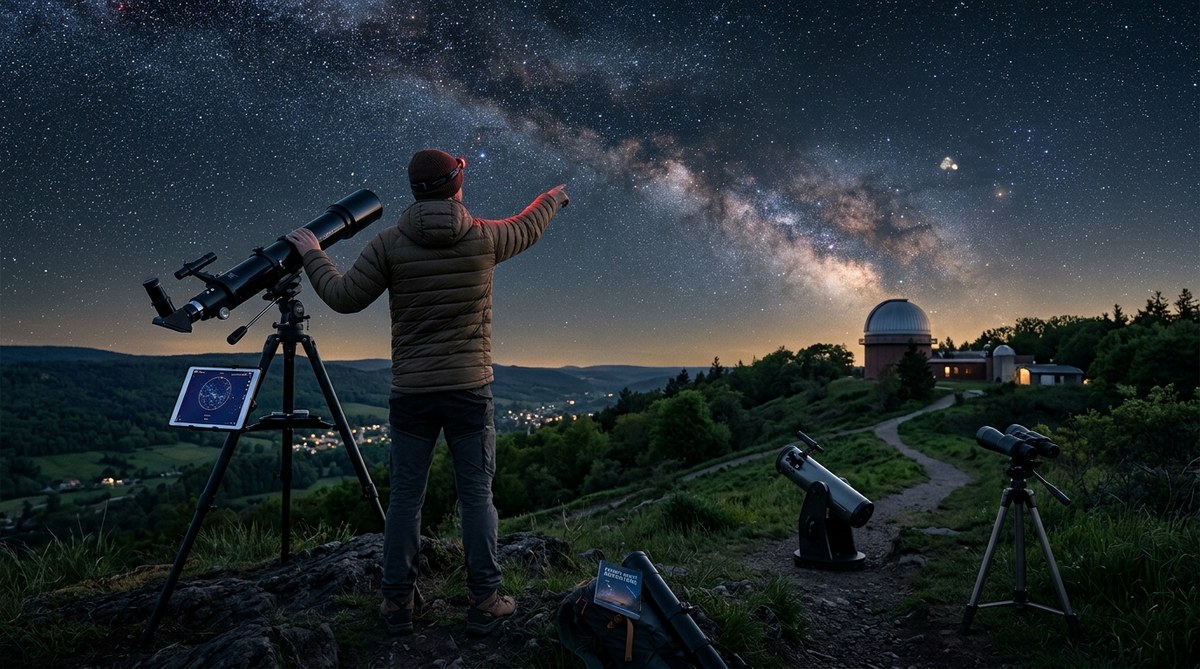
Starting your journey into astronomy can feel overwhelming. The sky is vast, and choosing your first telescope might seem complicated. But with the right guidance, you’ll find a device that sparks your curiosity and makes stargazing enjoyable. 2026 offers some excellent options designed specifically for beginners. These telescopes are easy to set up, simple to operate, and perfect for discovering the wonders of the night sky.
The best beginner telescope in 2026 combines simplicity, affordability, and good optical quality. It should be portable, easy to set up, and capable of showing the Moon, planets, and some deep sky objects. Starting with the right equipment encourages regular viewing and deepens your love for astronomy.
What Makes a Telescope Beginner-Friendly
Choosing the best beginner telescope for 2026 involves understanding what features make a telescope easy for newcomers. Key aspects include user-friendliness, durability, and optical performance.
Ease of Use
A telescope that is straightforward to assemble and operate encourages consistent use. Look for models with simple mounting systems, clear instructions, and minimal maintenance.
Portability
Since you might want to move your telescope to different viewing spots, lightweight and compact designs are ideal. This allows you to enjoy astronomy from your backyard or on outdoor adventures.
Optical Quality
While advanced features are tempting, for beginners it’s more important to have clear, sharp images of the Moon and planets. A good optical system can make the experience more rewarding and motivate you to learn more.
Budget-Friendly
Starting out should not break the bank. Fortunately, 2026’s best beginner telescopes strike a balance between affordability and quality. Many models cost under $500 yet provide excellent views for newcomers.
Top Picks for the Best Beginner Telescope in 2026
Here are some standout options to consider when shopping for your first telescope this year. Each offers unique benefits suited for beginners.
1. Celestron AstroMaster 70AZ Refractor
This refractor telescope is lightweight and simple to set up. Its 70mm aperture provides bright, detailed views of the Moon, planets, and some brighter deep sky objects. The altazimuth mount is easy to operate, making it perfect for beginners. Celestron’s reputation for quality ensures your first experience with astronomy is positive.
2. Orion StarBlast 4.5 Astro Reflector
A compact reflector telescope, the Orion StarBlast 4.5 offers wide views of the night sky. Its table-top design makes it easy to carry and set up. The reflector optics provide sharp images of the Moon and bright planets without complex alignments, making it a top choice for first-time sky watchers.
3. Sky-Watcher Heritage 100P
This tabletop reflector combines affordability with good optical performance. Its simple design and sturdy mount make it suitable for beginners. It’s portable enough for spontaneous skywatching sessions and offers impressive views of celestial objects.
4. Celestron Inspire 80AZ Refractor
With an 80mm aperture, this refractor provides brighter images and better detail. Its user-friendly altazimuth mount and smooth focusing make it easy for newcomers to enjoy the stars. It also comes with educational materials to help you learn the night sky.
How To Choose the Right Beginner Telescope
Follow these practical steps to find a telescope that fits your needs:
- Determine your budget. Decide how much you want to spend. There are quality options available under $300.
- Identify your main interests. Do you want to look at the Moon and planets or also explore deep sky objects like galaxies and nebulae? This influences the optical type and size.
- Pick the right optical design. Refractors are simple and maintenance-free. Reflectors offer wider views at a lower cost but require more care.
- Consider portability. If you’ll be moving your telescope often, choose a lightweight model.
- Research user reviews and tutorials. Resources like https://thrushobservatory.org/choosing-the-perfect-telescope-for-beginners-exploring-the-night-sky/ can provide valuable insights into setup and maintenance.
Common Mistakes to Avoid When Buying a Beginner Telescope
| Mistakes to Watch For | Why It Matters | Better Approach |
|---|---|---|
| Choosing a telescope with too high a magnification | Magnification alone doesn’t improve image quality and can cause blurry views | Focus on aperture size and optical quality |
| Ignoring the mount type | An unstable mount makes viewing frustrating | Opt for a stable altazimuth or equatorial mount |
| Overlooking the accessories | Lack of good eyepieces limits your viewing options | Invest in a telescope with multiple eyepieces or upgrade later |
| Buying a model without proper instructions | Setup can be confusing | Select models with clear instructions or tutorial support |
| Not considering future interests | You might outgrow your first telescope | Choose a versatile model that can be upgraded |
“A beginner’s telescope should inspire curiosity, not frustration. Focus on ease of use, durability, and optical performance.” — Amateur astronomy expert
Tips for Making the Most of Your First Night Under the Stars
- Start with the Moon. Its craters and maria are stunning through any telescope.
- Learn the night sky. Use apps or star charts to identify constellations and planets.
- Prepare in advance. Find a dark, clear spot away from city lights.
- Be patient. It may take time to find your targets, especially if you’re new to skywatching.
- Keep a journal. Record what you see each night to track your progress and deepen your understanding.
How To Maintain Your Telescope for Long-Term Use
Maintaining your telescope ensures it stays in good shape. Keep it clean, store it in a dry place, and periodically check the alignment. Learning basic maintenance routines can extend its lifespan and improve your viewing experience.
A Bright Future in Night Sky Watching
Choosing the best beginner telescope in 2026 sets you up for a lifetime of wonder. Whether you start with a simple refractor or a compact reflector, the key is to enjoy the process of discovery. As your skills grow, your equipment can evolve alongside your curiosity. Remember, the stars are waiting to be explored, and the right telescope makes that journey easier and more enjoyable.
Getting Ready for Your First Night Sky Adventure
Now that you understand what makes a good beginner telescope and have some options in mind, it’s time to get ready for your first night under the stars. Gather your equipment, find a dark spot, and take your time. Astronomy is about patience and fascination. Each night out will bring new sights and a deeper appreciation for the universe around us. Happy stargazing!