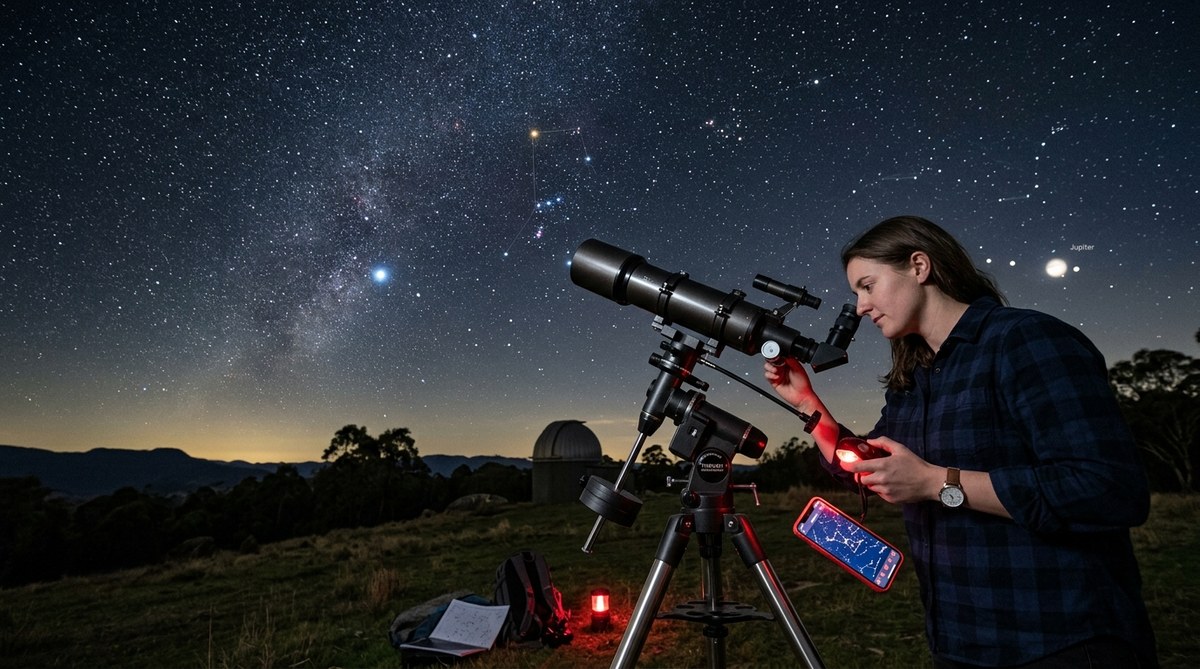
Getting started with astronomy can seem overwhelming at first. The night sky is vast and filled with countless objects waiting to be understood. Whether you are looking up from your backyard or planning a stargazing night with friends, knowing some basic principles makes the experience more enjoyable and rewarding. This guide will introduce you to the core concepts of astronomy for beginners, helping you recognize stars, planets, and constellations with confidence.
Understanding fundamental astronomy concepts enables beginners to identify celestial objects, use star maps effectively, and appreciate the night sky’s beauty with confidence and curiosity.
Why Learning Astronomy Basics Matters for Beginners
Starting with the fundamentals of astronomy opens the door to countless nights of wonder. It transforms the night sky from a jumble of lights into a familiar landscape filled with stories and scientific insights. With just a few simple tools and some practice, you can distinguish between bright stars and planets, recognize popular constellations, and even track celestial events. Learning these basics enriches your recreational stargazing and deepens your appreciation for the universe.
How to Identify Stars and Constellations
Recognizing stars and constellations begins with understanding their positions and appearances. Stars vary in brightness, color, and location, while constellations are patterns made by groups of stars. Here are steps to help you get started:
1. Get familiar with star charts and apps
Start with a reliable star chart or stargazing app. These tools show the night sky as it appears from your location and time. Apps like Star Walk or SkyView help you locate stars and constellations in real time, making it easier to learn their shapes.
2. Learn to identify bright stars
Focus on the brightest stars first. They are easier to recognize and serve as landmarks for locating other objects. For example, Sirius is the brightest star in the sky, and Betelgeuse is a prominent red supergiant in Orion.
3. Spot constellations and their patterns
Once you recognize a few bright stars, look for patterns they form. Constellations like Orion, Ursa Major, and Cassiopeia are good starting points. Use the star maps to memorize their shapes and positions relative to each other.
4. Use natural reference points
Landmarks like the moon, planets, or even trees and buildings can help you orient yourself. If you see a bright object that doesn’t twinkle much, it might be a planet like Jupiter or Saturn.
5. Practice regularly
Consistent practice helps reinforce your knowledge. Spend clear nights observing and matching what you see with your star charts or apps. Over time, your familiarity with the night sky will grow.
Recognizing Planets in the Night Sky
Planets are bright, steady objects that don’t twinkle like stars. They move along the ecliptic, the path the Sun follows across the sky. Here’s how to identify planets during your stargazing sessions:
- Jupiter: Very bright and often the first object to catch your eye. It’s usually visible in the evening or early morning.
- Saturn: Recognized by its steady glow and, with a telescope, its rings.
- Mars: Has a reddish hue, making it stand out among other celestial objects.
- Venus: Known as the “Evening Star” or “Morning Star,” very bright and visible just after sunset or before sunrise.
- Mercury: The trickiest to spot, visible close to the sun’s horizon.
A helpful tip is to use a planetarium app to see when and where planets will appear in your sky.
Techniques for Effective Stargazing
Getting the most out of your night sky observations involves some practical techniques:
- Choose a dark location: Light pollution makes it harder to see stars. Find a spot away from city lights.
- Allow your eyes to adjust: It takes about 20 minutes for your eyes to become fully dark-adapted. Avoid looking at bright screens or lights.
- Use a red flashlight: It preserves your night vision and helps you see your star maps without disturbing your dark adaptation.
- Be patient: Celestial objects don’t appear instantly. Take your time to scan and compare what you see with your guides.
- Observe regularly: The night sky changes with seasons and time. Frequent observation deepens your understanding.
Common mistakes to avoid
| Technique | Mistake |
|---|---|
| Relying only on bright stars | Missing fainter objects and constellations |
| Using bright white lights | Spoiling night vision |
| Not allowing eyes to adapt | Overlooking dimmer stars and planets |
| Ignoring seasonal changes | Missing different constellations and planets |
Practical Tips for Beginners
- Start with easy targets: Bright stars and well-known constellations are best for beginners.
- Use the right equipment: A simple pair of binoculars can enhance your view without complexity.
- Learn about moon phases: The moon’s brightness can wash out faint stars. Using moonless nights improves visibility.
- Join local astronomy groups: They often hold beginner sessions and provide valuable hands-on experience.
- Keep a journal: Record your observations, noting what you see and when. It helps track your progress.
Expert advice
“Patience is key when learning the night sky. Spend time observing and comparing what you see with your charts. Over time, your eye will naturally pick out patterns and objects that once seemed mysterious.”
Final Steps to Mastering Astronomy for Beginners
Building your understanding of the night sky is a rewarding process. Start with simple, bright objects and gradually explore more complex patterns. Use technology to aid your learning, but also trust your eyes and intuition. Remember, every stargazer begins with curiosity and a willingness to learn.
Bring a sense of wonder to each night out. The universe is vast, but with a little practice, you will find yourself confidently identifying stars, planets, and constellations. Keep looking up, and let the night sky inspire your journey into astronomy.
Keep Looking Up and Enjoy the Journey
Learning the basics of astronomy is a journey filled with discovery. Each night offers new sights and lessons. Grab a star chart or download an app, find a dark spot, and set aside time to observe. With patience and curiosity, you can turn simple stargazing into a lifelong passion. Happy observing!