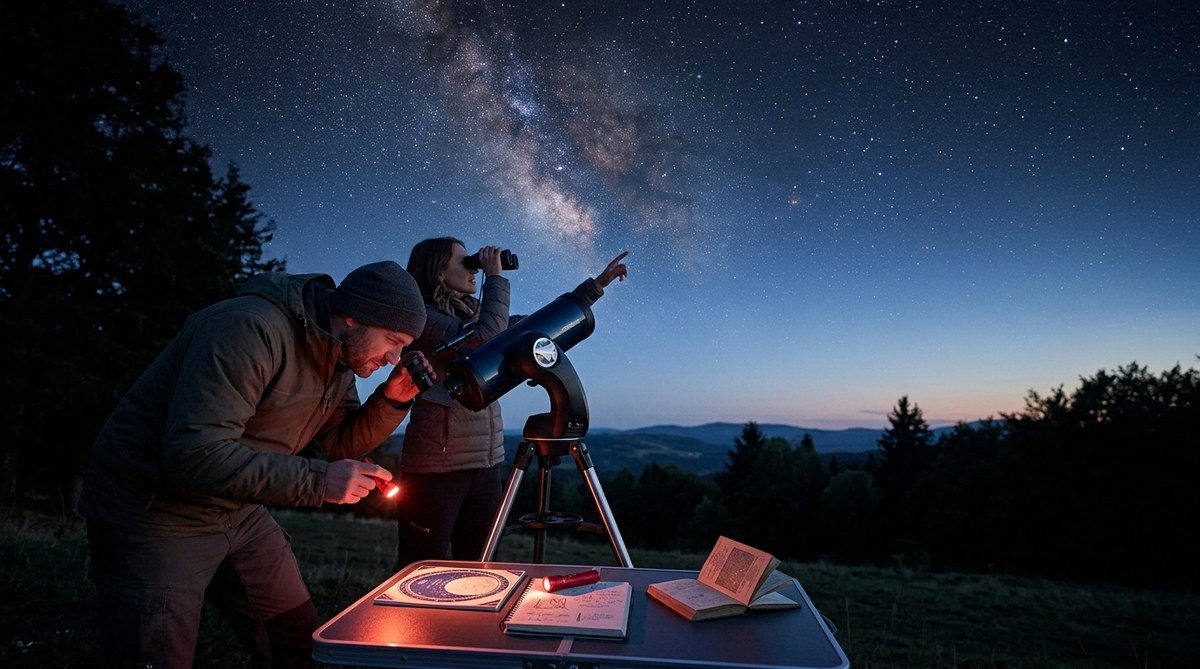
Getting started with night sky observation can feel overwhelming at first. The vastness of the universe, the countless stars, planets, and celestial events might seem intimidating. But with a few simple steps and some patience, anyone can begin to appreciate the beauty of the night sky. Whether you’re curious about stars, planets, or just want to enjoy peaceful nights outdoors, this guide will help you take your first steps into the world of astronomy.
Starting night sky observation requires a little planning, some simple equipment, and patience. Focus on understanding what you see, choose the right time and place, and gradually learn to identify stars, planets, and constellations for a rewarding experience under the stars.
Ways to Begin Your Night Sky Observation Journey
Getting into stargazing isn’t about having the most expensive telescope or knowing complex astronomy terms. It’s about connecting with the night sky in a way that inspires curiosity and wonder. Here are practical steps to help you start your journey confidently.
1. Choose the Right Time and Place
Timing and location are key for successful stargazing.
- Pick a dark spot away from city lights. Light pollution washes out fainter stars and makes celestial objects harder to see. A park, countryside, or designated dark sky area is ideal. You can check for nearby dark sky parks through organizations dedicated to preserving night skies.
- Go on clear, moonless nights. The moon’s brightness can overpower fainter stars and planets. The best observation times are during a new moon or when the moon is in a thin crescent phase.
- Be patient. Sometimes, it takes a while for your eyes to adjust. Give yourself at least 20 minutes without looking at bright screens or lights before you start.
2. Gather Simple Equipment
You don’t need fancy gear to begin. Start with the essentials and upgrade as you go.
- Your eyes are your best tools. They can reveal a surprising amount of detail.
- A star chart or stargazing app. These tools help you identify constellations, planets, and other celestial objects. Popular apps like Stellarium or SkyView are user-friendly.
- A red flashlight. Normal flashlights ruin night vision. A red flashlight preserves your eyes’ ability to see faint stars.
- A comfortable chair or blanket. Stargazing often involves sitting still for a while.
If you choose to add equipment later, consider binoculars for a closer look at planets and the moon or a beginner telescope for more detailed views.
3. Learn to Recognize Celestial Patterns
Start by identifying easy targets like the moon, the brightest planets, and prominent constellations.
- Begin with the moon. It’s large, bright, and easy to spot. Observe its phases and features.
- Identify planets. During certain times of the year, planets like Venus, Jupiter, and Saturn are visible to the naked eye. They often appear as bright, steady points of light.
- Familiarize yourself with constellations. Constellations are patterns of stars that help you orient yourself. Use star charts or apps to learn common shapes like Orion, the Big Dipper, or Cassiopeia.
4. Practice and Keep Notes
The more nights you observe, the more you’ll learn. Keep a simple journal of what you see. Note the date, time, weather conditions, and which objects you observed. Drawing what you see can also deepen your understanding.
“Patience is the most important tool in beginning your astronomy journey,” advises Dr. Lisa Miller, an astrophysicist. “The sky is vast and sometimes unpredictable. Enjoy each night, and your knowledge will grow naturally.”
Techniques and Common Mistakes When Starting Out
| Technique | Mistake to Avoid |
|---|---|
| Use a star chart or app to navigate | Relying only on memory without any reference can cause confusion |
| Wait for your eyes to dark adapt | Looking at your phone or bright lights too soon can ruin night vision |
| Observe during new moon phases | Planning observations around bright moonlight diminishes faint objects’ visibility |
| Take notes and draw what you see | Forgetting details or jumping to conclusions can slow learning |
Practical Tips for Successful Night Sky Observation
- Dress warmly. Nights can get cold, especially in open areas.
- Avoid bright lights nearby. Bright lights hinder your night vision.
- Be respectful of your environment. Leave no trace and respect local rules.
- Start with simple goals. Focus on one or two objects per night instead of trying to see everything at once.
- Keep a steady hand or use a tripod if you get into astrophotography.
Techniques to Enhance Your Observation and Common Pitfalls
Understanding basic techniques can improve your experience and prevent frustration. For example, using a star chart helps you find constellations accurately. Avoid rushing to identify everything; instead, enjoy the process of discovery.
| Technique | Mistake to Avoid |
|---|---|
| Using a red flashlight | Shining bright light in your eyes or others’ can ruin night vision |
| Trying to see too many objects in one night | Spreading your focus thin may lead to confusion or fatigue |
| Checking your phone constantly | Bright screens can disrupt dark adaptation and spoil your night vision |
How to Keep Growing as a Beginner Stargazer
As you gain confidence, explore different celestial events like meteor showers, planetary transits, or even the International Space Station passes. Join local astronomy clubs or online communities for tips, star parties, and shared experiences.
Remember, each night under the stars is a new adventure. With patience and curiosity, you’ll find yourself noticing details others miss.
Turning Wonder into a Lifelong Passion
Starting night sky observation is about more than just seeing stars. It’s about forming a connection with the universe. With simple steps, patience, and a sense of adventure, you can make stargazing a meaningful part of your life. Keep your equipment handy, stay curious, and don’t be afraid to ask questions or seek advice from seasoned astronomers.
Enjoy your journey into the night sky. The universe is waiting to reveal its secrets to you.