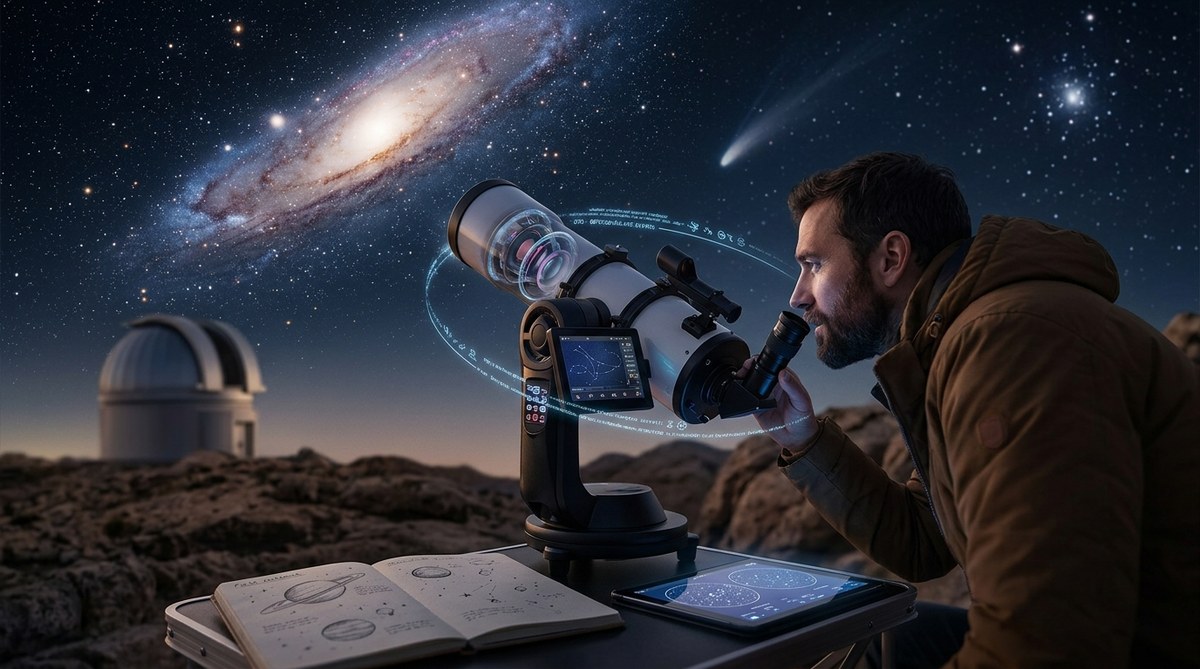
Stargazing is one of the most rewarding hobbies anyone can pick up. The night sky is full of wonders that change throughout the year. Knowing when and what to look for can turn an ordinary evening into a memorable adventure. Whether you are a beginner or have some experience, understanding celestial events helps you make the most of your night sky outings. This guide offers simple tips, key dates, and techniques to help you spot and enjoy the universe’s many spectacles.
This celestial events guide for amateur astronomers provides practical steps to identify, observe, and appreciate cosmic phenomena. It encourages planning ahead, using simple tools, and understanding key dates for meteor showers, planetary alignments, and more. With this knowledge, stargazing becomes more engaging and rewarding, turning dark nights into a window to the universe’s most stunning displays.
Understanding the Basics of Celestial Events
Celestial events are natural phenomena that occur in the sky. They include visible happenings like meteor showers, planetary conjunctions, eclipses, and phases of the Moon. For amateur astronomers, these events are perfect opportunities to observe and learn. Recognizing the types of events and their significance makes planning easier.
Many celestial events follow predictable cycles. For example, the lunar phases repeat roughly every 29.5 days. Meteor showers tend to happen annually around specific dates. Eclipses occur at irregular intervals but are well documented. Knowing these patterns allows you to anticipate when the sky will put on a show.
Planning Your Stargazing Sessions
Success in observing celestial events starts with good planning. Here are practical steps to prepare:
-
Find the best viewing spot
Choose a location away from city lights. Parks, rural areas, or high elevations reduce light pollution and improve visibility. -
Check the calendar for upcoming events
Use reliable sources like NASA’s night sky calendar or dedicated astronomy sites to find dates of meteor showers, eclipses, and planetary alignments. -
Learn the timing and peak visibility
Most events are best viewed during specific hours. For example, meteor showers often peak after midnight. Knowing the ideal times maximizes your chances. -
Gather your equipment
A simple pair of binoculars often suffices for many celestial phenomena. For planets or faint objects, a beginner-friendly telescope can help. Keep a flashlight with red light to preserve night vision. -
Dress appropriately and be patient
Nighttime can be cold. Bring warm clothing and snacks. Remember, some events require waiting in the dark, so patience pays off.
Recognizing Major Celestial Events
Here are some common events and how to spot them:
-
Meteor showers
These are streaks of light caused by space debris burning up in our atmosphere. The Perseids in August and the Geminids in December are among the brightest. To observe, find a dark spot, lie back, and look at the entire sky. You don’t need a telescope. Just be patient and keep an eye on the sky. -
Planetary conjunctions
When two planets align closely, they create a striking sight. Mars and Venus often appear near each other. Use a star chart or astronomy app to identify planets and their positions. -
Eclipses
Lunar eclipses turn the Moon a reddish hue. Solar eclipses require special eye protection and are best viewed with certified glasses. Always prioritize safety when observing eclipses. -
Moon phases
The Moon’s changing phases influence what you see. New Moon is best for deep-sky objects. Full Moon is bright but can wash out faint stars. Use a lunar calendar to plan your observation nights. -
Auroras and other atmospheric phenomena
Auroras are rare but breathtaking displays near polar regions. They are caused by solar wind interacting with Earth’s magnetic field. Keep an eye on space weather forecasts to catch these.
Techniques for Successful Observation
To improve your chances of catching celestial events, try these simple techniques:
-
Use a star chart or astronomy app
Mobile apps like Stellarium or SkySafari help identify objects and their positions in real time. -
Allow your eyes to adapt
Give your eyes 20 to 30 minutes to adjust to darkness. Avoid looking at bright screens during this time. -
Invest in a good pair of binoculars
They are portable, easy to use, and effective for a wide range of celestial sights. -
Take notes and photos
Record what you see. Use a camera with a tripod for long-exposure shots of star trails or the Moon. -
Join local astronomy clubs or online communities
Sharing experiences and tips enhances your understanding and enjoyment.
“Patience is key in astronomy. Some of the best sights happen unexpectedly or after waiting through the night.” — A seasoned amateur astronomer
Common Mistakes to Avoid When Watching Celestial Events
| Mistake | Explanation | How to Avoid |
|---|---|---|
| Not checking the weather forecast | Clouds and rain block the view | Always confirm clear skies before heading out |
| Ignoring moon phases | Bright moonlight can wash out faint objects | Plan around the new moon for deep-sky viewing |
| Using bright lights | Lights ruin night vision | Use red flashlight and shield your lights |
| Not giving your eyes time to adjust | Faint objects are hard to see initially | Wait 20–30 minutes after arriving at your site |
| Rushing during peak times | Missing the best moments | Be patient and arrive early to settle in |
Resources for Staying Ahead of Celestial Events
Keeping track of upcoming celestial phenomena is easier with dedicated tools. Consider subscribing to newsletters from organizations like the American Astronomical Society or following apps that send alerts about meteor showers and planetary events.
Additionally, many websites provide detailed sky charts, event calendars, and viewing tips. These resources help you plan your nights and enjoy the universe’s grand spectacles fully.
Final Tips for Amateur Astronomers
Remember, observing celestial events is as much about patience as it is about equipment. Start small, learn the basics, and gradually expand your gear and knowledge. Keep a journal of your observations. Over time, you’ll notice patterns and deepen your appreciation for the night sky.
As you grow more confident, try sharing your experiences with friends or local clubs. Stargazing becomes even more fun when shared.
Brightening Your Night Sky Experience
The universe offers countless wonders that await discovery. With a little preparation and curiosity, you can turn any clear night into an extraordinary adventure. Keep your equipment ready, stay informed about upcoming events, and enjoy the magic of the cosmos. The sky is full of stories waiting to be told through your telescope or eyes.
Happy stargazing!