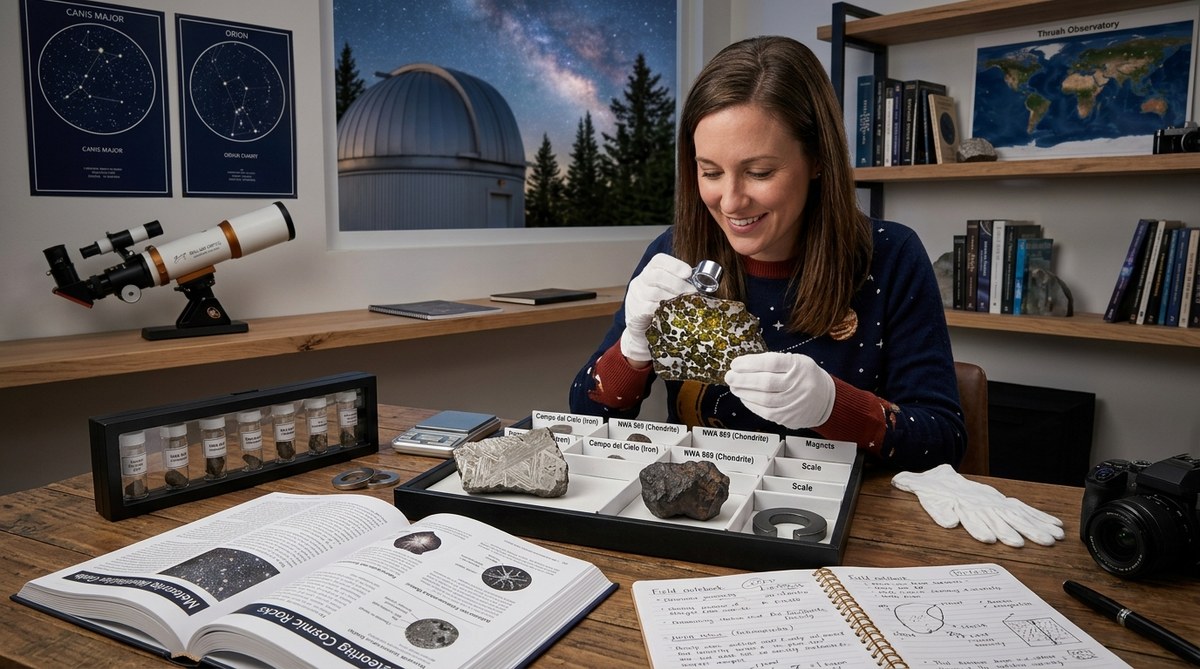
Starting a meteorite collection can feel like venturing into a mysterious universe. These space rocks are not just beautiful; they tell stories of our solar system’s origins. Whether you’re new to astronomy or a seasoned hobbyist, building a collection is a rewarding journey. It involves understanding what makes a meteorite authentic, knowing where to find them, and learning how to care for your specimens. Let’s walk through the essentials to help you start your meteorite collection with confidence and excitement.
Starting a meteorite collection involves learning what [authentic meteorites](https://pubmed.ncbi.nlm.nih.gov/29782272/) look like, choosing reliable sources, and understanding how to care for your specimens. Follow simple steps to build a captivating collection that tells a story of space and time.
How to Build Your Meteorite Collection Step by Step
Building a meteorite collection is both fun and educational. It requires patience, curiosity, and a bit of know-how. Here are the core steps to guide you through the process:
1. Learn the basics of meteorites and what makes them authentic
Before you acquire any space rocks, it’s crucial to understand what distinguishes real meteorites from fakes. Authentic meteorites often have a fusion crust, a telltale sign of atmospheric entry. They are usually dense, heavy for their size, and may have a magnetic quality due to their iron content.
Key signs of authentic meteorites include:
- Fusion crust with a glassy, dark exterior
- A dense, heavy feel
- Magnetic properties
- Unique surface features such as regmaglypts (thumbprint-like impressions)
Avoid specimens that look artificially colored or overly polished. Remember, many meteorites are rare and valuable, so knowledge is your best tool against fakes.
2. Find reputable sources and learn how to identify authentic meteorites
To start your collection confidently, buy from trusted vendors or institutions. Reputable online dealers, meteorite shows, and established collectors are safer options. Always ask for documentation or certificates of authenticity.
Some well-regarded sources include:
- Specialized meteorite dealers
- Museums with meteorite exhibits
- Scientific institutions
Be cautious of online marketplaces like eBay or auction sites. If you choose to buy from such platforms, research the seller’s reputation and request detailed photos and descriptions.
3. Familiarize yourself with common techniques to identify real meteorites
Knowing how to differentiate real meteorites from imposters is vital. Use simple tests at home, but remember, some require expert evaluation. Here are recommended techniques:
| Technique | What to Look For | Common Mistakes |
|---|---|---|
| Magnet test | Meteorites often attract magnets due to iron content | Fake meteorites made of ceramic or plastic won’t be magnetic |
| Density test | Real meteorites are dense and feel heavy | Lightweight rocks can be fake or terrestrial |
| Visual inspection | Fusion crust, regmaglypts, metal flakes | Surface can be artificially aged or polished |
| Cutting or breaking | Exposes a metallic interior | Fakes may have painted surfaces or plastic cores |
“Always approach identification with skepticism. When in doubt, consult with a professional or send a sample to a laboratory for analysis.”
4. Learn how to care for and store your meteorites properly
Once you acquire a specimen, proper care ensures its preservation and value. Keep your meteorites in a stable environment, away from humidity and extreme temperature changes. Store them in padded cases or display cases with controlled conditions.
Some tips include:
- Avoid handling with bare hands to prevent oils and corrosion
- Use gloves when examining or cleaning specimens
- Keep specimens away from chemicals or acids
- Label each meteorite with details about its origin and characteristics
5. Expand your collection thoughtfully and connect with the community
As your collection grows, consider diversifying by adding different types such as iron, stony, or lunar meteorites. Attend meteorite shows and join online forums or clubs like the International Meteorite Collectors Association to learn from others.
Bulleted list of tips for expanding your collection:
- Research different meteorite types and their origins
- Purchase specimens from trusted vendors
- Document each piece with photos and details
- Share your collection with fellow enthusiasts
- Stay updated with meteorite news and discoveries
Techniques and Pitfalls to Watch Out For
| Technique | How it helps | Common mistake to avoid |
|---|---|---|
| Visual examination | Identifies fusion crust and surface features | Assuming all shiny or dark objects are meteorites |
| Magnetic test | Detects iron-rich meteorites | Relying solely on magnetism; some terrestrial rocks are magnetic |
| Density measurement | Confirms heaviness typical of meteorites | Ignoring surface features and context |
| Expert evaluation | Confirms authenticity | Skipping verification, risking fakes in your collection |
“Patience is key. Authentic meteorites can be scarce and expensive. Take your time to learn and verify each specimen.”
Final Tips for Aspiring Meteorite Collectors
Building a meteorite collection is a journey filled with discovery. Start small, focus on education, and always verify your specimens. Remember that each meteorite has a story to tell, connecting you to the vast universe beyond our planet.
Look for local meteorite clubs or online communities to gain insights and share your passion. Consider attending meteorite shows or visiting museums to see authentic specimens up close. As you learn more, your collection will become a captivating window into cosmic history.
A Personal Touch to Your Cosmic Journey
Creating a meteorite collection is more than just gathering stones. It’s about connecting with the universe and understanding our place within it. Take your time, enjoy the process, and let each space rock inspire your curiosity. Your collection will grow into an educational treasure, sparking conversations and inspiring others.
Happy hunting, and may your journey into meteorite collecting be as extraordinary as the rocks themselves.